



 972-296-4959
 We Offer Financing

Short answer: A slab leak usually becomes an insurance claim when it causes sudden, accidental water damage to your home, such as wet flooring, walls, or cabinets. Many policies cover that resulting damage and sometimes the cost to access the pipe. The pipe repair itself, gradual seepage, and foundation movement are commonly excluded.
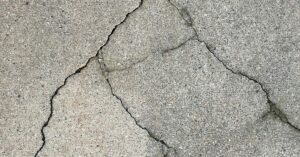
Dallas–Fort Worth sits on expansive clay soils, including the Blackland Prairie, that shrink in drought and swell after rain. That seasonal movement stresses slab foundations and the plumbing inside them. When a line finally fails, the insurance question is often more confusing than the repair.
Why are slab leaks common on clay soil in the DFW area?
Expansive clay soil moves as it wets and dries, flexing the slab and stressing water lines embedded in or beneath it. Long summer droughts followed by heavy spring rain create cycles of shrinkage and swelling.
Contributing factors:
- Older copper or cast iron plumbing in homes from the 1960s to 1990s
- Uneven watering around the foundation
- Tree roots drawing moisture from soil near the slab
- Poor drainage that saturates one side of the house
What parts of a slab leak are usually covered?
Policies commonly cover the sudden water damage a slab leak causes, and some include “tear out” coverage to access the pipe, but rarely the pipe itself. Every policy is different, so confirm with your agent.
Often covered:
- Water-damaged flooring, drywall, baseboards, and cabinets
- Drying and mitigation costs
- Breaking and restoring the slab to reach the leak, if the policy includes it
Often excluded:
- Repairing or replacing the leaking pipe
- Damage from long-term, gradual seepage
- Foundation settling or movement
- Wear and tear
When does a slow leak stop being covered?
A slow leak often loses coverage when the damage shows it has been going on for weeks or months, because many policies exclude continuous or repeated seepage. That’s why acting on early signs is so important.
Early signs to act on:
- Warm spots on tile or wood floors
- A water bill that rises with no change in use
- The sound of running water when everything is off
- Cracks in tile grout or flooring that lifts
Some policies set specific time limits on continuous leaks, so read the wording.
How does leak detection and water damage repair support a claim?
Leak detection and water damage repair provide the documentation insurers need: where the leak is, when damage started, and how far water spread. Without it, adjusters may question whether the damage was sudden.
Useful documentation:
- Leak detection report showing the location
- Plumber’s invoice describing the failure
- Moisture mapping showing affected areas
- Photos before, during, and after removal
- Drying logs with daily readings
What affects water damage restoration cost for a slab leak?
Water damage restoration cost for a slab leak depends on how far water spread through flooring and walls, the type of flooring, and whether the slab must be opened. Tile and hardwood over a wet slab cost more to address than carpet, and long-running leaks often affect several rooms.
Other factors:
- Whether cabinets or built-ins sit over wet areas
- How long it takes the slab to dry
- Matching flooring that runs through multiple rooms
- Whether the line is rerouted or repaired through the slab
How do you file a slab leak claim?
Report the leak promptly, mitigate further damage, document everything, and give your adjuster the leak detection and drying records.
Practical water damage insurance claim help:
- Shut off the water and call a plumber for leak detection
- Call your insurer to report the loss
- Start professional drying to prevent further damage
- Keep removed flooring samples or photos
- Request a detailed scope from your restoration company
Should you repair the pipe or reroute it?
That decision belongs to your plumber, but rerouting can avoid breaking the slab and may be recommended for older plumbing. Either way, the restoration work for wet floors and walls is similar.
What do policies in Texas typically say about slab leaks?
Many homeowners policies in Texas cover sudden water damage and may include coverage to access the leaking pipe, while excluding the pipe repair and foundation movement. Policy forms vary widely, so read the “water damage,” “tear out,” and “foundation” sections, or ask your agent to explain them.
How does soil moisture management help?
Keeping soil moisture consistent around the foundation can reduce movement that stresses plumbing. Many homeowners in North Texas use soaker hoses or irrigation zones near the foundation during droughts. Ask a foundation professional for guidance.
What if you’ve had multiple slab leaks?
Multiple slab leaks can signal aging plumbing, and a plumber may recommend rerouting or repiping. Insurers may also ask about previous leaks.
Related services: Arlington, TX service area
Frequently Asked Questions
Does insurance pay to break up my slab?
Some policies include tear-out coverage to access the pipe. Check your policy wording.
Will my foundation repair be covered?
Foundation movement is commonly excluded, though damage caused by a sudden leak may be treated differently. Ask your insurer.
How fast should I report a slab leak?
As soon as you discover it. Prompt reporting helps show the damage was sudden and limits further loss.
Call Stanley Restoration
If you suspect a slab leak in your home in the DFW area, call Stanley Restoration at 972-296-4959 to document the damage, dry your home, and restore your floors.